 As a freelance editor, I’ve interacted with a lot of writers. And over time, you start to see patterns and develop instincts that form a kind of “red flag” system, if you will. I’ve already posted about how to hire an editor, so today I wanted to talk about how NOT to. What follows is a list of things not to do when seeking to hire an editor.
- Brag you’re the greatest. I have encountered clients who love to tell me how what they’re writing is “better than anything already out on the market” or “most of the stuff already out there.” Some even send me blurbs or reviews talking about how genius their writing is, either from past releases or random beta readers (for all I know). So what’s wrong with this, you ask? Two things. First, an editor is supposed to be objective, not subjective. So anything you do to try and prejudice your editor before they work on your book is unprofessional and unwise. Second, rarely in such cases has the resulting manuscript been terrific. 90 times out of 100, it is garbage filled with cliches, bad writing and plotting, copycat characters, and a total mess. It’s not just one or two experiences I am talking about. I used to be constantly needing editing work, so I’d take about anything that came along. But what I learned time and again is such bragging tends to mask a deep-seated insecurity. And deep-seated insecurity is a bad place to write from. Almost every time I overlooked the attitude, the writer’s work was not good and they could not handle honest criticism. Either way, the edit became an unpleasant experience and all too often wound up with someone who either wouldn’t work with me again or whom I would refuse to work with.
 2. Insist you know what things should cost and you won’t be ripped off. This one is like accusing me of being a scammer the moment we meet. Look, of course there are bad editors out there and people willing to take advantage of writers or just woefully overconfident with their own abilities. You should absolutely look out for that, but the way to ensure you find good editors is to do due diligence. Check them out. Most of us do sample edits for free of a few pages. If a person won’t do a sample, consider that a red flag and walk away. Second, most of us will list past clients and even quote endorsements from them on our websites. Social media is your friend here. Go out and ask those clients what we were like to work with and if they’d recommend us. Lastly, you can ask others around the industry if we have a good reputation. In any case, if you do all that due diligence, you should come up with a list of professionals to approach, and if they are professionals, there’s no need to worry about being ripped off. Professionals may charge a bit more, but that’s because they know the work and time involved and they do a great job. They’re worth it. If you can’t afford to pay for good editing, don’t complain when you get a bad editor. 1-3 cents per word is fairly standard. Expect to pay that. If you want a bargain, take what you can get but be ready for subpar disappointing service.
3. Send a sloppy sample. Okay, this one should be obvious but oh my God, it so isn’t. I could list a lot of writers with pro credits who simply think the editor’s job is to fix their work and make them look good. They think nothing about impressing the editor. But I book up six months in advance and I know editors who book out even further. Editing is now my primary source of income, if I want it to be, and so I can pick and choose who I work with. I like helping take authors and books to the next level. I’ve found that working with clients who are passionate about getting it right. People too lazy to format manuscripts professionally and clean up grammar and punctuation and spelling as much as they possibly can are not people who care about getting it right. They are lazy. They are unprofessional. And they are burdensome. The more time I spend on basic clean up tasks, the less focus I can give to nuance and deeper issues like theme, voice, plot, etc. That means what you get back will take your novel to a new level, but not necessarily all the way. I only have so much time and concentration. And you would have to pay my highest rate for me to go back and do many, many passes to focus on all the things. So don’t intentionally create a minefield I have to navigate while trying to edit. If you do that, your own sabotage is to blame when you wind up hiring another editor for the next draft who finds stuff the first editor didn’t because they were too distracted by the nitty gritty you were too lazy to fix. And frankly, if I see that sloppiness in a sample, I walk away. It’s not worth my time.
4. Insist on a call or letter to itemize everything that’s wrong and give all the backstory the editor needs to understand the story. It’s not wrong to want to feel comfortable with a collaborator, editors included. An introductory call or meeting is fine, but the editor has a job to do and it’s a job that requires him or her to be objective. They need to identify what they see as problems and they can’t do that until they’ve worked through the manuscript. One of those problems besides the obvious grammar, punctuation, plot, characterization, and so on is world building and part of world building is giving the necessary backstory for a reader to pick up the novel and understand it. Whether it’s book 2 in a series or not. Yep, that’s what I said. Including backstory to set up context is your job, so if you tell the editor what they “need to know” you are making them hard to identify what you’ve left out of your book that readers will need to know to read and enjoy it. You’re getting in your own way, and getting in your own way prevents the editor from doing their best work. You can always ask them questions later. Any editor unwilling to answer questions after an edit is someone to avoid, but let them view your work with fresh eyes. The experience for them and you both should be eye opening, so don’t ask them to wear blinders.
5. Tell the editor how to do their job. Look, we all have preferred ways of working. I’ve said before on this blog, as do many other writers across social media, that you have to find what works for you, and what works for you may not be the same as what works for someone else. The same is true of editors. If you have done due diligence and picked professional, recommended editors with good reputations, let them do their job the way they are comfortable. Insisting they use certain techniques or forms or approaches you prefer will just wind up with them walking away. If they don’t comment on something or you need more information, you can ask. Depending upon what it is, most editors are willing to elucidate or spell things out in more detail. But insisting they approach it the way you prefer is a big red flag. You’ll wind up turned down and starting your search over.
So there you have it, 5 common mistakes people make when trying to hire an editor. If you’re one of those writers, I hope you can understand why you need to change your approach. If you’ve never hired an editor before, now you know what to avoid. Either way, I wish you the best of success. And happy writing.
For what it’s worth…
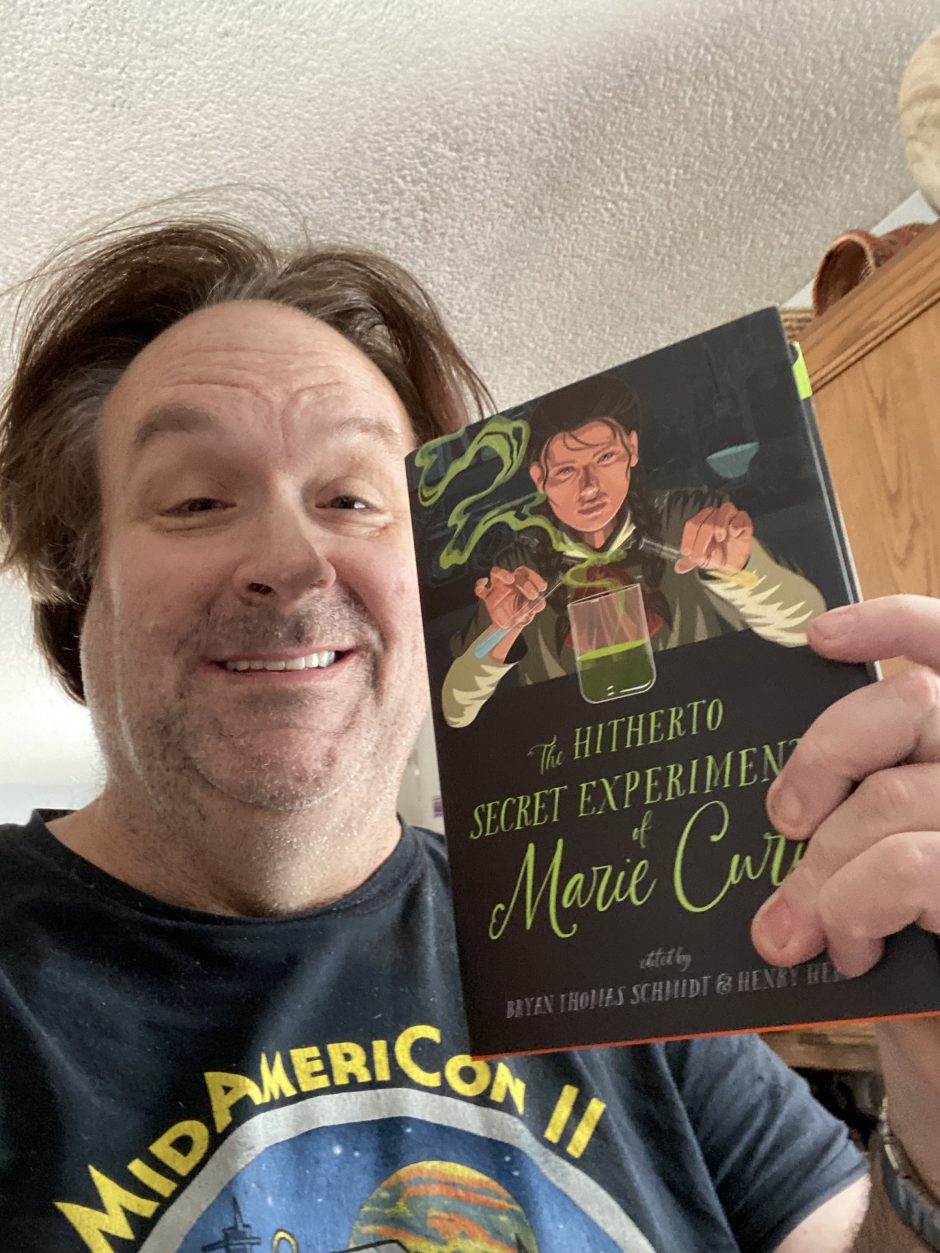
 Dear Reader,
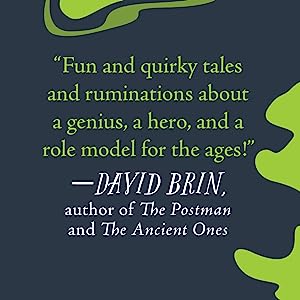 These stories are fictional. Although they are based on real characters in real situations and real history, but none of these events actually happened. Instead we invited 18 of the top Young Adult and horror writers (
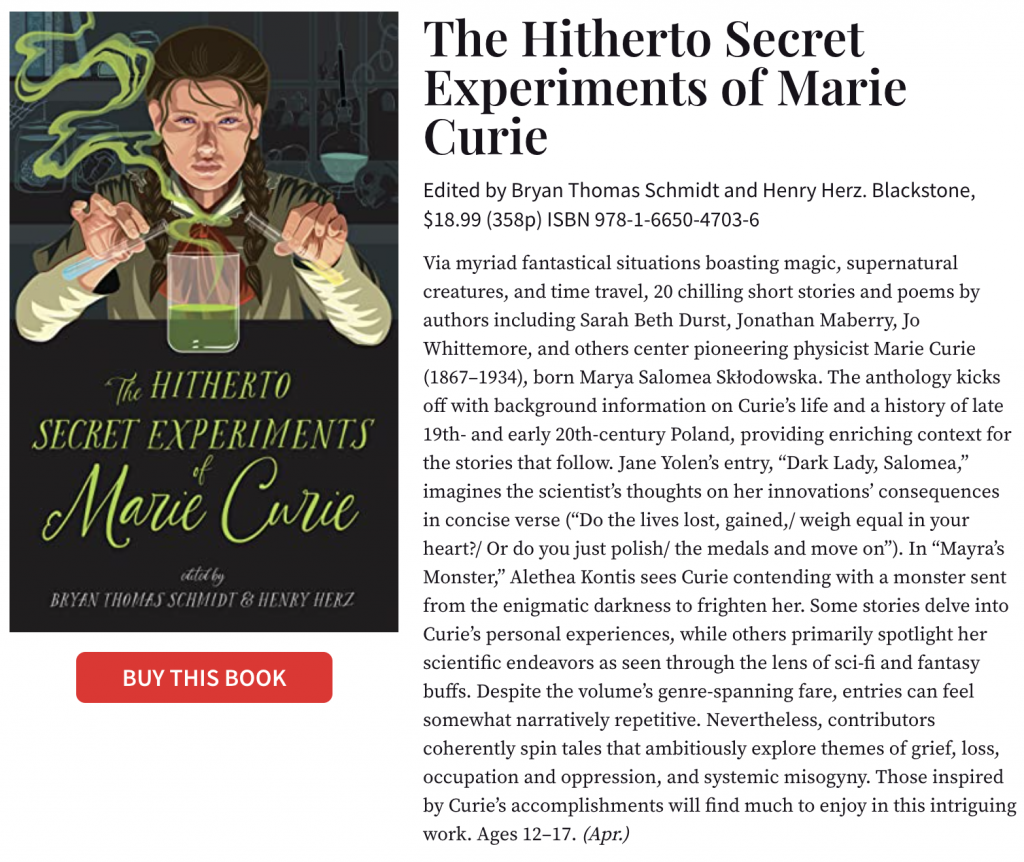
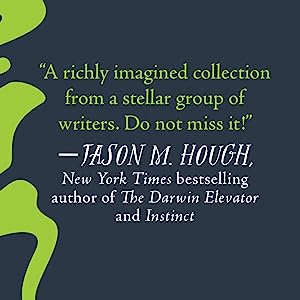 THE HITHERTO SECRET EXPERIMENTS OF MARIE CURIE won’t change the world but it can entertain and inspired. We hope these stories inspire you to face any obstacles you encounter with courage, drive, and determination. Women can change the world in STEM or anywhere else. We celebrate possibilities and great futures and wish the same for you.



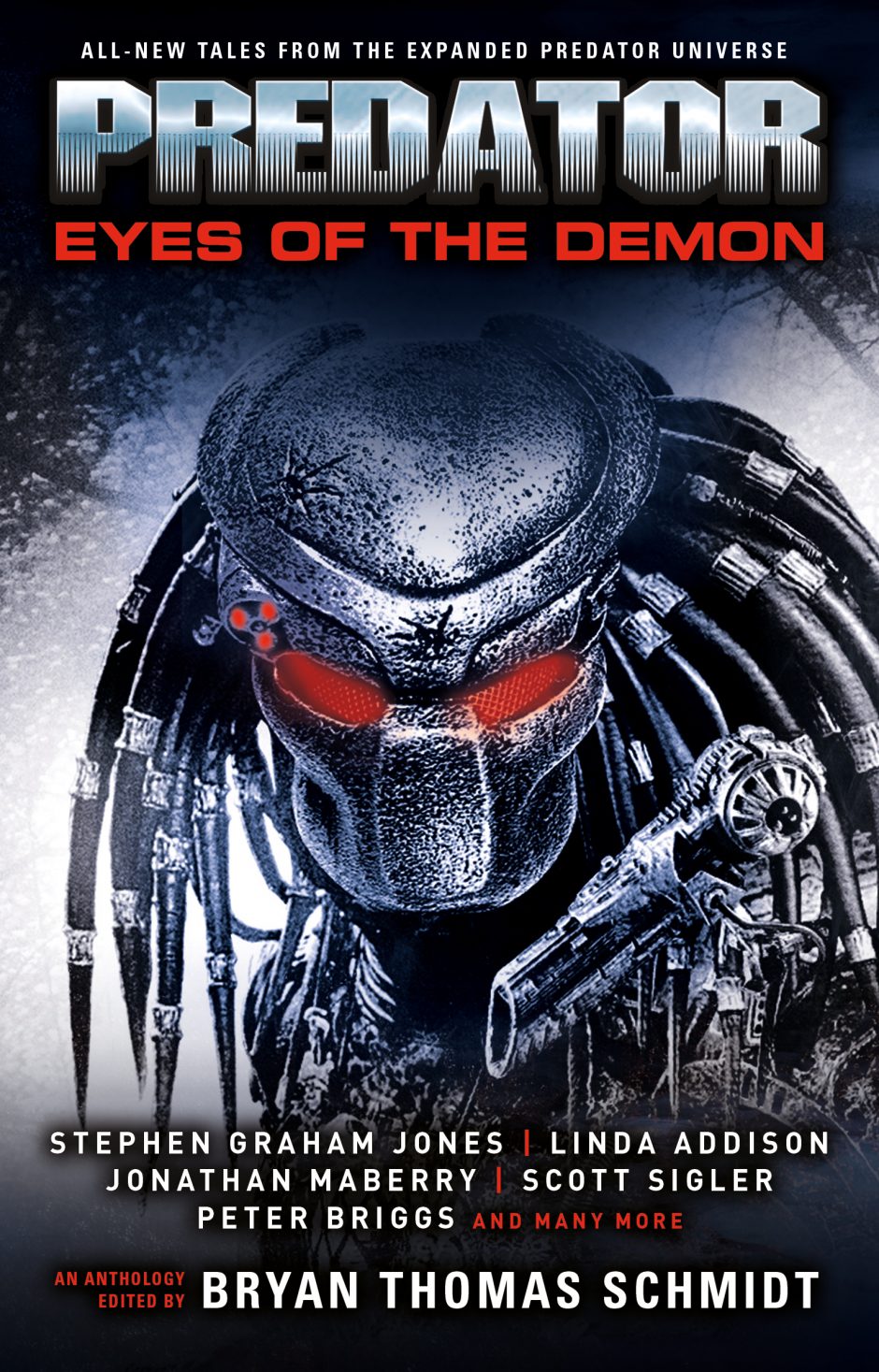
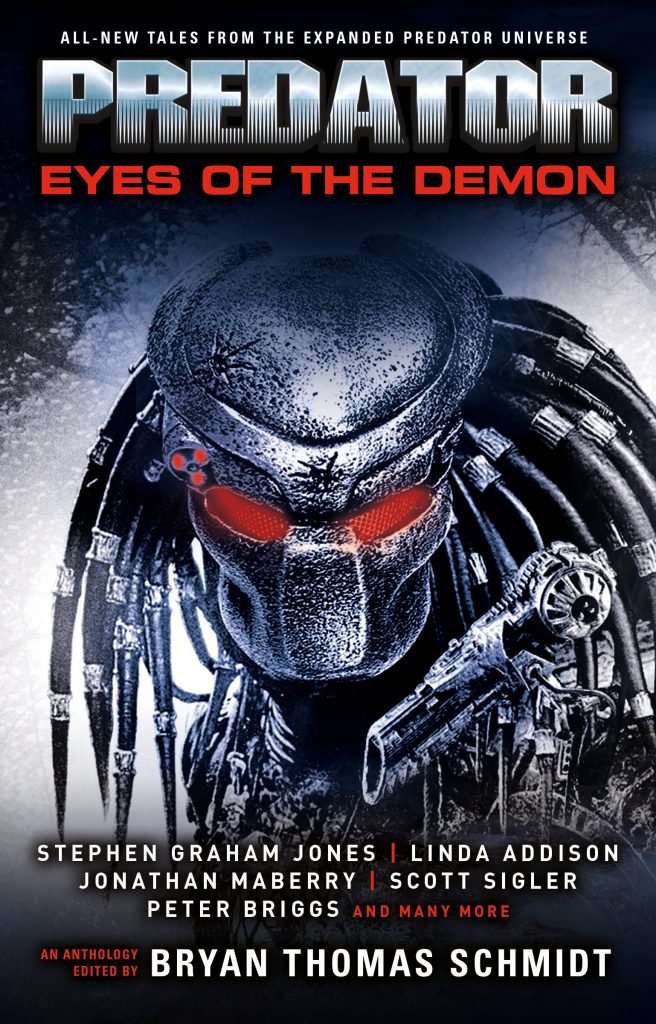 Since the cover finally went live last night, I can finally reveal the author lineup of my latest endeavor in the film universe of PREDATOR. My third such book over all—after PREDATOR: IF IT BLEEDS (2017) and ALIENS VS. PREDATORS: ULTIMATE PREY (March 2022) also from Titan Books—
 The following is an excerpt from my book How To Write a Novel: The Fundamentals of Fiction Chapter 13: Editing & Rewriting.
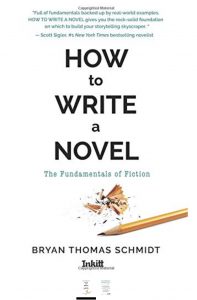 Now before you actually start rewriting, it’s important to let your manuscript breathe. How long you should do this depends upon you, your level of experience, the deadline, what else you have on your plate, etc. But generally, I agree with those who suggest it should be a minimum of six weeks—six weeks during which you work on anything but this novel, clearing your mind of what has been an obsession, focusing on something new and different, and putting this out of your thoughts in order to clear you head and regain some manner of the objectivity required to truly revise well. In On Writing, Stephen King writes: “You’re not ready to go back to the old project until you’ve gotten so involved in a new one (or re-involved in your day-to-day life) that you’ve almost forgotten the unreal estate that took up three hours of your every morning or afternoon for a period of three or five or seven months.” You’re too close to the project, too consumed with, too obsessed to ever see it clearly and objectively the way one must in order to evaluate it properly, so the time has come to take a break, shut it in a drawer, and resist the urge to return to it for a period of time while you regain perspective.
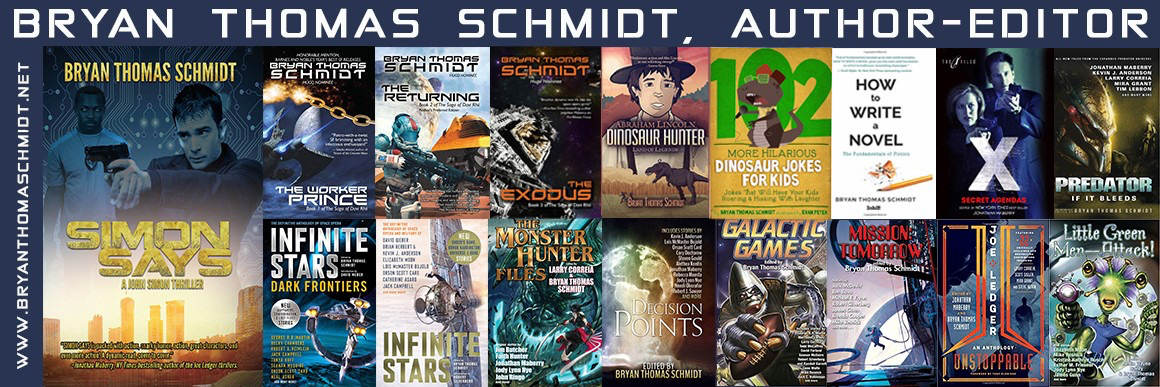
 Bryan Thomas Schmidt is a national bestselling author/editor and Hugo-nominee who’s edited over a dozen anthologies and hundreds of novels, including the international phenomenon The Martian by Andy Weir and books by Alan Dean Foster, Frank Herbert, Mike Resnick, Angie Fox, and Tracy Hickman as well as official entries in The X-Files, Predator, Joe Ledger, Monster Hunter International, and Decipher’s Wars. His debut novel, The Worker Prince, earned honorable mention on Barnes and Noble’s Year’s Best Science Fiction. His adult and children’s fiction and nonfiction books have been published by publishers such as St. Martins Press, Baen Books, Titan Books, IDW, and more. Find him online at his website bryanthomasschmidt.net or Twitter and Facebook as BryanThomasS.